All Categories
Featured
Maintaining First Impressions for Premier Corporate Hubs
Crucial Asset Management Strategies within Professional O...

Managing Business Park Grounds through 2026
Table of Contents
Seasonal shifts continue to impact building systems in meaningful methods. Temperature changes tension HVAC systems, heavy rain tests roofing and drain, and cooler months stress plumbing infrastructure. Seasonal upkeep checklists assist you get ready for prospective problems before they emerge. Examining systems at the ideal time lowers emergency situation calls and safeguards major elements.
Trusted vendors are an important part of efficient upkeep management. Developed relationships result in much faster reaction times, much better artistry, and more consistent rates. Continuously looking for specialists wastes time and increases threat. Trusted suppliers understand your residential or commercial property requirements and expectations. Strong relationships improve efficiency and lower the friction that frequently accompanies repairs.
Documentation protects you during assessments, conflicts, and insurance coverage claims by showing consistent care and attention to information. Clear records also enhance decision-making. Repair histories help identify recurring concerns and guide replacement preparation. In 2026, arranged paperwork is not optional. It is a core functional tool. Digital maintenance platforms have altered how upkeep is tracked and handled.
Church Landscape MaintenanceInnovation decreases missed out on jobs and communication gaps. When maintenance processes are structured, problems are fixed quicker and with less errors. Clear protocols lower damage and limitation downtime when immediate issues arise.
Structure ensures quick action and reduces interruption throughout high-stress situations. Maintenance quality has a considerable influence on whether tenants remain or leave. Well-maintained homes develop confidence and convenience. Poor upkeep drives turnover. Retention saves money by lowering vacancy periods, marketing expenses, and renting efforts. Consistent maintenance supports steady occupancy and long-term efficiency.
Why Automation Redefines Modern Service Workflows
Core practices keep steady and foreseeable operations. Regular assessments determine problems early. Documented repair histories provide clarity. Clear response timelines manage expectations. These fundamentals avoid chaos and assistance long-term success. Insurance service providers expect sensible maintenance. Overlook can damage protection or complicate claims. Upkeep diligence demonstrates obligation and reduces liability exposure.
Maintenance is a key part of danger management. Without systems, upkeep demands constant attention. With systems, it operates quietly in the background. Structured workflows complimentary up time and psychological space. Performance allows you to focus on development rather than constant repairs. Q1. How frequently should preventive upkeep inspections be scheduled in 2026? A lot of properties take advantage of quarterly evaluations, with additional seasonal checks to deal with weather-related dangers and system pressure that may have happened throughout the previous season.
Coordinating vendors, scheduling evaluations, and tracking compliance becomes more manageable. Oversight lowers guesswork and enhances consistency. McWright Property Management offers full-service property management, overseeing maintenance coordination, examinations, supplier relationships, and compliance tracking to deliver clarity and stability in a progressively complicated maintenance landscape.

The City of Dearborn will start imposing new abatement guidelines for property upkeep problems, such as high grass and weeds, in addition to residential or commercial property repair work and tidiness infractions. Upon getting a notification of infraction, homeowner and occupants will have a reasonable period to address the issues. Residents are needed to get in touch with the City via email, phone, or through a QR code and form link supplied on the notification of reduction.
Key Trends in HOA Association Care
At CRM Building, we understand that tenant improvements (TIs) are no longer just cosmetic updatesthey're strategic financial investments in the long-lasting value, functionality, and success of your commercial residential or commercial property. In 2025, as businesses continue to adjust to hybrid work designs, versatile areas, and sustainability goals, homeowner need to approach TIs with a more educated, collective mindset than ever before.
Church Landscape MaintenanceA successful tenant enhancement task starts with clearness. The Occupant Enhancement Allowance (TIA)the quantity a property owner uses toward renovationsis often a significant negotiating point in lease arrangements. Beyond setting a dollar quantity, it's important to specify: What enhancements are coveredWho selects and handles contractorsWhat deadlines or phasing is expectedWhether any unused funds are refundable or transferableSetting these terms early avoids pricey confusion down the road and guarantees both occupant and landlord are aligned on expectations.
Collaborating vendors, scheduling evaluations, and tracking compliance ends up being more manageable.
The City of Dearborn will start enforcing new abatement rules for residential or commercial property maintenance issues, such as tall yard and weeds, in addition to residential or commercial property repair and cleanliness infractions. Upon receiving a notice of infraction, property owners and occupants will have an affordable period to resolve the issues. Residents are needed to get in touch with the City through e-mail, phone, or through a QR code and form link supplied on the notification of abatement.
At CRM Building and construction, we comprehend that tenant improvements (TIs) are no longer simply cosmetic updatesthey're tactical investments in the long-term worth, performance, and profitability of your commercial home. In 2025, as companies continue to adjust to hybrid work models, versatile areas, and sustainability objectives, residential or commercial property owners need to approach TIs with a more informed, collective frame of mind than ever in the past.
Evaluating Traditional vs 2026 Maintenance Models
An effective tenant enhancement job starts with clarity. The Occupant Improvement Allowance (TIA)the amount a property manager provides toward renovationsis frequently a major negotiating point in lease arrangements. Beyond setting a dollar amount, it's essential to specify: What enhancements are coveredWho picks and handles contractorsWhat deadlines or phasing is expectedWhether any unused funds are refundable or transferableSetting these terms early avoids pricey confusion down the road and ensures both occupant and proprietor are aligned on expectations.

Latest Posts

Maintaining First Impressions for Premier Corporate Hubs
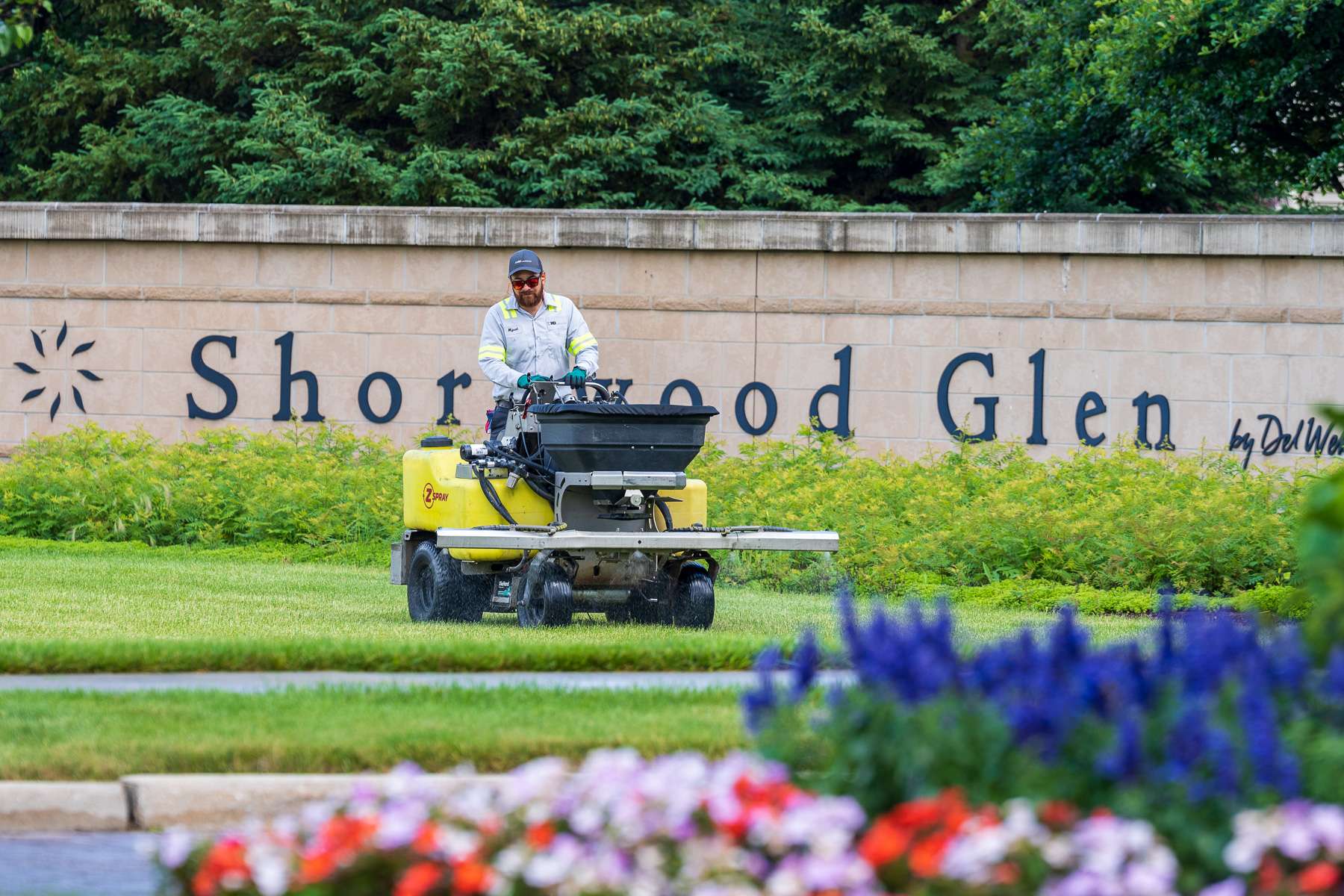
Evolving HOA Grounds Maintenance Trends for 2026
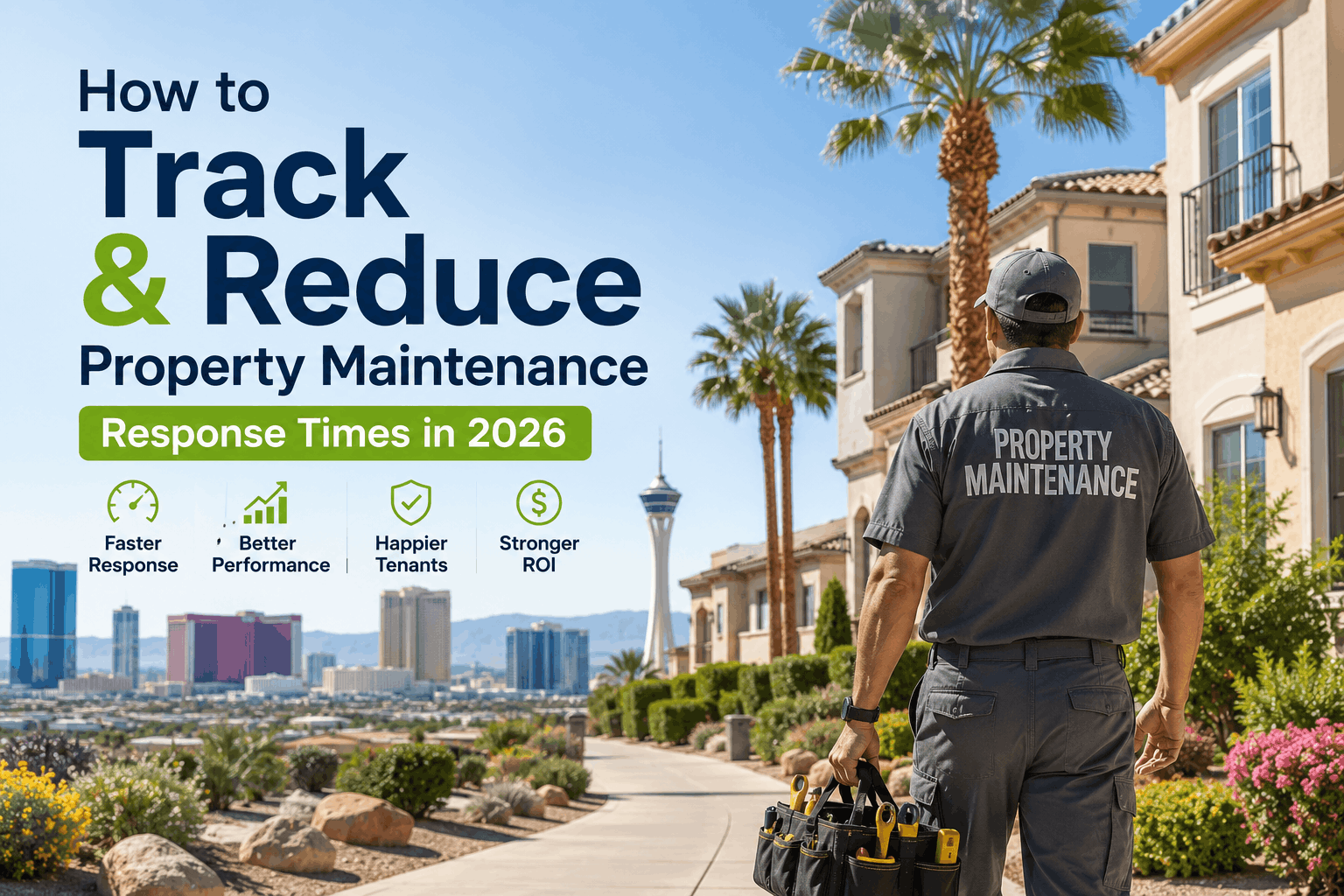
Crucial Asset Management Strategies within Professional Operations