All Categories
Featured
Maintaining First Impressions for Premier Corporate Hubs
Crucial Asset Management Strategies within Professional O...


Eco-Friendly Groundskeeping Trends for Corporate Centers
Table of Contents
For the tenant, Camera costs can lower their month-to-month costs by narrowing the analysis of the Webcam charges. For the proprietor, CAM fees can minimize their danger exposure by negotiating for a broader interpretation of the Webcam costs.
Sources: What are the disadvantages of CAM costs in industrial genuine estate? The primary drawback of Camera costs in industrial genuine estate is that they can be hard to anticipate and can increase substantially from year to year.
Sometimes, webcam fees are connected directly to running expenses, which can be challenging to forecast. Additionally, camera costs might also have cost floors in order to protect residential or commercial property owners, implying that renters might still be accountable for paying their base web cam fees plus the 3% annual boost even if actual camera expenditures remain the very same (or perhaps fall).
Normally, property owners must try to negotiate for a broader interpretation of web cam costs in order to minimize their risk exposure, while renters need to attempt to narrow the interpretation to decrease their regular monthly costs. Additionally, it is common for lease agreements to consist of a rate cap (or cost ceiling) that limits the optimum quantity camera charges can increase in one year.
Rate floorings might likewise be included in order to secure homeowner. This makes sure that occupants are accountable for paying their base webcam charges plus the agreed-upon yearly increase, even if real CAM expenses stay the exact same or even fall.
High-End Groundskeeping for Retail Plazas
"Proper management of web cam charges results in more consistent and foreseeable capital, plus improved operating effectiveness and a better relationship with renters," he stated. Find out more about web cam charges, plus how your lease structure affects them and how to discuss camera charge details to your tenants. Typical location upkeep (WEBCAM) charges are charges renters pay for deal with shared areas of commercial homes.
Double net leases have the occupant paying some, however not all, running expenses, including a part of webcam charges. These kinds of leases are usually utilized for long-lasting business tenants that substantially personalize their spaces. Triple net leases require renters pay a separate share of business expenses, including webcam, on top of their base lease.
The pro rata share, or the percentage of square video footage renters occupy in the structure, usually figures out the part of total web cam expenditures tenants pay. For instance, if overall web cam expenses for a retail center are $250,000 every year and an occupant rents 15% of the area, their monthly CAM charge would be $3,125.
Costs connected with a structure or a home that landlords hand down to occupants for the maintenance of typical locations and amenities. Camera charges differ widely based on the type of home and its area, and can cover a broad variety of expenses that property owners pay, including repair work, insurance, home maintenance, and sometimes administrative wages.
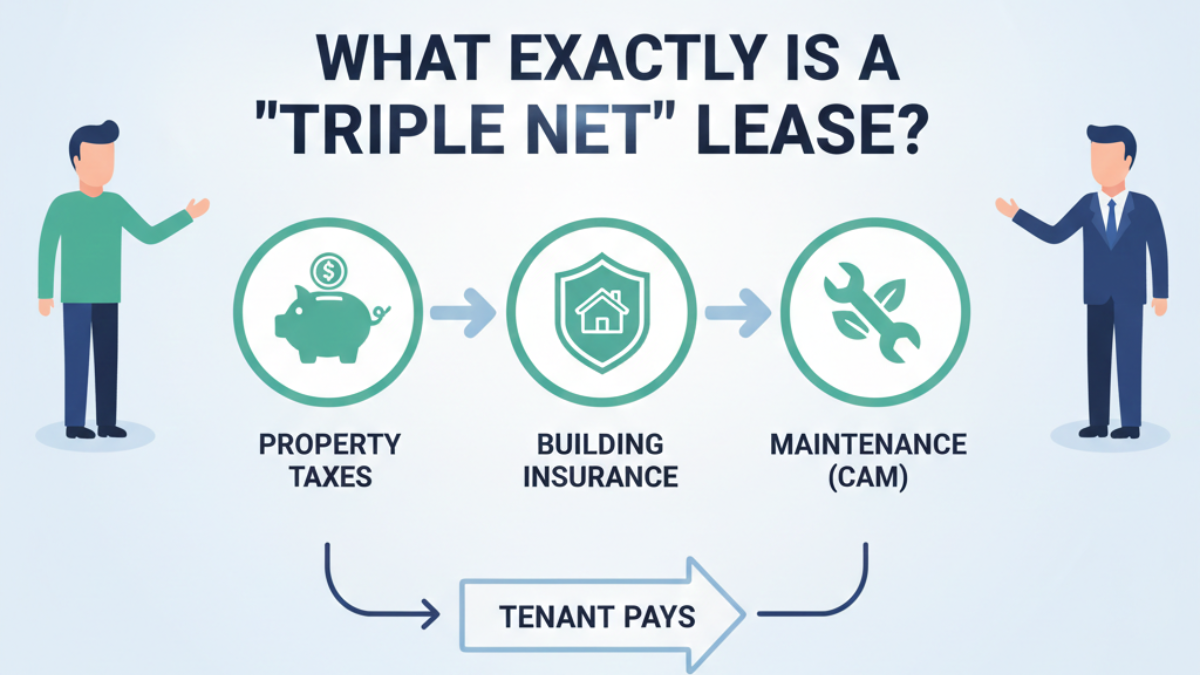
What CAM Charges Are: Common Area Maintenance (WEB CAM) charges cover shared property expenses like lobbies, corridors, car park, landscaping, and energies. Camera costs are the actual amounts tenants pay based upon their pro-rata share of the home. Reconciliation and Reimbursement: camera reconciliation compares estimated costs with actual expenses to ensure fairness.
Deploying Data-Driven Tools for Maintenance Efficiency
Handling Excessive Camera Charges: Occupants can deal with overcharges when unsuitable expenses are included or fees rise unexpectedly. Clear lease meanings, audit rights, and caps assist avoid disagreements and make sure expense transparency. Lease Accounting and Operational Insights: camera charges effect financial statements under ASC 842 and vary from basic business expenses.
Church Landscape MaintenanceIn the world of industrial real estate leasing, Common Location Upkeep (CAMERA) charges play an essential role, impacting both proprietors and occupants. Web cam rent, typically described as camera charges, can substantially influence a tenant's general tenancy expenses. n this comprehensive guide, we will explore the complex information of web cam charges, demystifying what webcam incorporates, the intricacies of web cam charges in leases, how it varies from running expenses and ramifications for lease accounting.
These common areas generally consist of lobbies, hallways, elevators, parking area, landscaping, and shared facilities like washrooms or gym. CAM charges are an additional expense that occupants may sustain beyond their base lease. Common Area Upkeep (CAM) charges are the shared costs that tenants pay to cover the expense of operating, maintaining, and repairing the common locations of a business home.

Latest Posts

Maintaining First Impressions for Premier Corporate Hubs

Evolving HOA Grounds Maintenance Trends for 2026
Crucial Asset Management Strategies within Professional Operations